

Yehovah is a combination of the three Hebrew forms of the verb "to be": Hayah (he was), Hoveh (he is), and Yihyeh (he will be)
Sunday, July 24, 2016
Tuesday, July 05, 2016
why moses cannot enter the promise land
Exodus 17:6
"Behold, I will stand before you there on the rock at Horeb; and you shall strike the rock, and water will come out of it, that the people may drink." And Moses did so in the sight of the elders of Israel.
Numbers 20
"Behold, I will stand before you there on the rock at Horeb; and you shall strike the rock, and water will come out of it, that the people may drink." And Moses did so in the sight of the elders of Israel.
Numbers 20
7and the LORD spoke to Moses, saying, 8“Take the staff, and assemble the congregation, you and Aaron your brother, and tell the rock before their eyes to yield its water. So you shall bring water out of the rock for them and give drink to the congregation and their cattle.” 9And Moses took the staff from before the LORD, as he commanded him.
10Then Moses and Aaron gathered the assembly together before the rock, and he said to them, “Hear now, you rebels: shall we bring water for you out of this rock?”
11And Moses lifted up his hand and struck the rock with his staff twice, and water came out abundantly, and the congregation drank, and their livestock. 12And YHWH said to Moses and Aaron, “Because you did not believe in me, to uphold me as holy in the eyes of the people of Israel, therefore you shall not bring this assembly into the land that I have given them.”
Deuteronomy 2
14“Thirty-eight years passed from the time we first left Kadesh-barnea until we finally crossed the Zered Brook! By then, all the men old enough to fight in battle had died in the wilderness, as the Lord had vowed would happen. 15The Lord struck them down until they had all been eliminated from the community.
11And Moses lifted up his hand and struck the rock with his staff twice, and water came out abundantly, and the congregation drank, and their livestock. 12And YHWH said to Moses and Aaron, “Because you did not believe in me, to uphold me as holy in the eyes of the people of Israel, therefore you shall not bring this assembly into the land that I have given them.”
Deuteronomy 2
14“Thirty-eight years passed from the time we first left Kadesh-barnea until we finally crossed the Zered Brook! By then, all the men old enough to fight in battle had died in the wilderness, as the Lord had vowed would happen. 15The Lord struck them down until they had all been eliminated from the community.
Numbers 20
22And they journeyed from Kadesh, and the people of Israel, the whole congregation, came to Mount Hor. 23And the LORD said to Moses and Aaron at Mount Hor, on the border of the land of Edom, 24“Let Aaron be gathered to his people, for he shall not enter the land that I have given to the people of Israel, because you rebelled against my command at the waters of Meribah. 25Take Aaron and Eleazar his son and bring them up to Mount Hor. 26And strip Aaron of his garments and put them on Eleazar his son. And Aaron shall be gathered to his people and shall die there.”27Moses did as the LORD commanded.Friday, July 01, 2016

cayenne improve digestion, destroy cancer cells, stop a heart attack
What if there was a common household spice that could rebuild the gut
wall to improve digestion, destroy cancer cells, stop a heart attack in
its tracks and was useful for weight loss? I’m assuming you’d want to
know more about it, right?
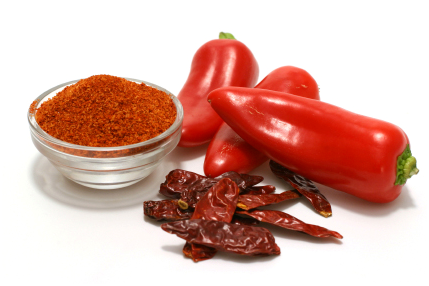 The hot fruit of the cayenne plant (“capsicum annuum”)
has been used as a superb culinary spice for centuries and may be the
most valuable medicinal herb in the entire plant kingdom for many of the
reasons mentioned above !
The hot fruit of the cayenne plant (“capsicum annuum”)
has been used as a superb culinary spice for centuries and may be the
most valuable medicinal herb in the entire plant kingdom for many of the
reasons mentioned above !
High in vitamins A, C, B complex, calcium and potassium, studies have shown that cayenne can rebuild the tissue in the stomach and the peristaltic action in the intestines. Moreover, cayenne acts as a catalyst and increases the effectiveness of other herbs and alternative cancer treatments.
Have you ever gone after the chips and salsa with gusto and then felt flushed while your nose started to run a little bit? Cayenne warms the body and stimulates the release of mucus from the respiratory passages. If you’ve ever eaten a fresh hot pepper, you know it clears the sinuses and causes sweating.
Cayenne peppers raise the body temperature as it stimulates circulation and blood flow to the skin. Herbs that promote fever and sweating are considered to have a diaphoretic (sweat-inducing) action which helps reduce fever and relieves the congestion of colds and sinusitis.
The active ingredient in cayenne is called capsaicin and in 2004, Dr. Sanjay K. Srivastava and colleagues (University of Pittsburgh School of Medicine) treated pancreatic cells with capsaicin. They found that it disrupted mitochondrial function and induced apoptosis (programmed cell death) in cancerous cells without affecting normal pancreatic cells!
The results of the study were published in the April 20, 2005, issue of Innovations Report, in which Dr. Srivastava stated: “Our results demonstrate that capsaicin is a potent anticancer agent, induces apoptosis in cancer cells and produces no significant damage to normal pancreatic cells, indicating its potential use as a novel chemotherapeutic agent for pancreatic cancer”
In an article published in Reuters on March 16, 2006, entitled, “Hot Pepper Kills Prostate Cancer Cells in Study,” Dr. Soren Lehmann of the Cedars-Sinai Medical Center and the UCLA School of Medicine asserted: “Capsaicin had a profound anti-proliferative effect on human prostate cancer cells in culture. It caused 80% of the prostate cancer cells growing in mice to commit suicide in a process known as apoptosis.” Researchers in Japan have also shown that cayenne pepper can dramatically slow the development of prostate tumors, and is an excellent addition to alternative cancer treatment for this type of cancer.

And if cayenne’s cancer-fighting capabilities weren’t enough, its effects upon the venous structure and heart are nothing short of miraculous. Cayenne is incredibly nourishing to the heart and has been known to stop heart attacks within 30 seconds. If you want something in your first aid kit for a heart attack, carry cayenne tincture.
According to Dr. John R. Christopher, “In 35 years of practice, and working with the people and teaching, I have never on house calls lost one heart attack patient and the reason is, whenever I go in (if they are still breathing) I pour down them a cup of cayenne tea (a teaspoon of cayenne in a cup of hot water) and within minutes they are up and around.”
In addition to being a welcome addition, there’s also evidence to suggest that cayenne may be useful in the treatment of obesity. Results of one trial showed that consumption of 10 grams of cayenne pepper with meals helped to reduce appetite, while results of another revealed that cayenne increases the metabolism of dietary fats. Lastly, herbalists from centuries past would pour cayenne pepper directly on fresh wounds in order to sterilize and stop bleeding.
Many of us (over 90%) have worms or different parasites in our systems. One simple way to get rid of them is to have a “cayenne drink” daily. Fill up a glass with water or juice and then add 1/4 tsp of cayenne pepper. Stir it up and then “down the hatch.” Yes, it’s a bit spicy, but you’ll get used to it.
As you can see, the amazing curative powers of cayenne are almost mind-boggling. Clearly, it is a “wonder herb” that has scientifically proven its worth! According to Dr. Richard Schulze, “If you master only one herb in your life, master cayenne pepper. It is more powerful than any other.”
On a personal note, I take cayenne pepper every day as part of my nutritional regimen and a “preventative” cancer treatment. I also keep a cayenne tincture in the house and in both cars … just in case!
Hopefully this provides you with a good overview of the many amazing medicinal uses of cayenne and you put this information to good use. Until next time, may God bless you.
High in vitamins A, C, B complex, calcium and potassium, studies have shown that cayenne can rebuild the tissue in the stomach and the peristaltic action in the intestines. Moreover, cayenne acts as a catalyst and increases the effectiveness of other herbs and alternative cancer treatments.
Have you ever gone after the chips and salsa with gusto and then felt flushed while your nose started to run a little bit? Cayenne warms the body and stimulates the release of mucus from the respiratory passages. If you’ve ever eaten a fresh hot pepper, you know it clears the sinuses and causes sweating.
Cayenne peppers raise the body temperature as it stimulates circulation and blood flow to the skin. Herbs that promote fever and sweating are considered to have a diaphoretic (sweat-inducing) action which helps reduce fever and relieves the congestion of colds and sinusitis.
The active ingredient in cayenne is called capsaicin and in 2004, Dr. Sanjay K. Srivastava and colleagues (University of Pittsburgh School of Medicine) treated pancreatic cells with capsaicin. They found that it disrupted mitochondrial function and induced apoptosis (programmed cell death) in cancerous cells without affecting normal pancreatic cells!
The results of the study were published in the April 20, 2005, issue of Innovations Report, in which Dr. Srivastava stated: “Our results demonstrate that capsaicin is a potent anticancer agent, induces apoptosis in cancer cells and produces no significant damage to normal pancreatic cells, indicating its potential use as a novel chemotherapeutic agent for pancreatic cancer”
In an article published in Reuters on March 16, 2006, entitled, “Hot Pepper Kills Prostate Cancer Cells in Study,” Dr. Soren Lehmann of the Cedars-Sinai Medical Center and the UCLA School of Medicine asserted: “Capsaicin had a profound anti-proliferative effect on human prostate cancer cells in culture. It caused 80% of the prostate cancer cells growing in mice to commit suicide in a process known as apoptosis.” Researchers in Japan have also shown that cayenne pepper can dramatically slow the development of prostate tumors, and is an excellent addition to alternative cancer treatment for this type of cancer.
And if cayenne’s cancer-fighting capabilities weren’t enough, its effects upon the venous structure and heart are nothing short of miraculous. Cayenne is incredibly nourishing to the heart and has been known to stop heart attacks within 30 seconds. If you want something in your first aid kit for a heart attack, carry cayenne tincture.
According to Dr. John R. Christopher, “In 35 years of practice, and working with the people and teaching, I have never on house calls lost one heart attack patient and the reason is, whenever I go in (if they are still breathing) I pour down them a cup of cayenne tea (a teaspoon of cayenne in a cup of hot water) and within minutes they are up and around.”
In addition to being a welcome addition, there’s also evidence to suggest that cayenne may be useful in the treatment of obesity. Results of one trial showed that consumption of 10 grams of cayenne pepper with meals helped to reduce appetite, while results of another revealed that cayenne increases the metabolism of dietary fats. Lastly, herbalists from centuries past would pour cayenne pepper directly on fresh wounds in order to sterilize and stop bleeding.
Many of us (over 90%) have worms or different parasites in our systems. One simple way to get rid of them is to have a “cayenne drink” daily. Fill up a glass with water or juice and then add 1/4 tsp of cayenne pepper. Stir it up and then “down the hatch.” Yes, it’s a bit spicy, but you’ll get used to it.
As you can see, the amazing curative powers of cayenne are almost mind-boggling. Clearly, it is a “wonder herb” that has scientifically proven its worth! According to Dr. Richard Schulze, “If you master only one herb in your life, master cayenne pepper. It is more powerful than any other.”
On a personal note, I take cayenne pepper every day as part of my nutritional regimen and a “preventative” cancer treatment. I also keep a cayenne tincture in the house and in both cars … just in case!
Hopefully this provides you with a good overview of the many amazing medicinal uses of cayenne and you put this information to good use. Until next time, may God bless you.
Friday, June 24, 2016
Tuesday, June 14, 2016
万军之耶和华如此说:你若遵行我的道,谨守我的命令,你就可以管理我的家,看守我的院宇;我也要使你在这些站立的人中间来往。
Zec 3:7
万军之耶和华如此说:你若遵行我的道,谨守我的命令,你就可以管理我的家,看守我的院宇;我也要使你在这些站立的人中间来往。
Thus says the LORD of hosts: If you will walk in my ways and keep my charge, then you shall rule my house and have charge of my courts, and I will give you the right of access among those who are standing here.
万军之耶和华如此说:你若遵行我的道,谨守我的命令,你就可以管理我的家,看守我的院宇;我也要使你在这些站立的人中间来往。
Thus says the LORD of hosts: If you will walk in my ways and keep my charge, then you shall rule my house and have charge of my courts, and I will give you the right of access among those who are standing here.
2Sa 24:1 Again the anger of the LORD was kindled against Israel, and he incited David against them, saying, "Go, number Israel and Judah."
1Ch 21:1 Then Satan stood against Israel and incited David to number Israel.
Isa 4:2 In that day the branch צֶמַח tsemach of the LORD shall be beautiful and glorious, and the fruit of the land shall be the pride and honor of the survivors of Israel.
Zec 3:8 Hear now, O Joshua the high priest, you and your friends who sit before you, for they are men who are a sign: behold, I will bring my servant the Branch.
Sunday, June 05, 2016
Lemon Eucalyptus Oil repellent
articles.mercola.com
Herbal Oil: Lemon Eucalyptus Oil Benefits and Uses
Lemon eucalyptus oil, the common name of one of the natural oils obtained from the lemon-scented gum eucalyptus plant, has gained popularity as an insect repellant. This use is important when you consider the dangers of DEET and other toxic solutions, and want to steer clear of them. Learn more about the benefits, composition, and proper therapeutic and practical applications of this plant oil.
What Is Lemon Eucalyptus Oil?
Lemon eucalyptus oil is extracted from the leaves and twigs of the lemon-scented gum eucalyptus plant, also known as Eucalyptus citriodora or Corymbia citriodora.
The lemon eucalyptus is a tall tree that grows up to 50 meters tall and comes from the temperate and tropical northeastern Australia.1 Its name is derived from the Latin term citriodorus meaning “lemon-scented,” and is in demand for structural timber and for honey production. It is also popular in horticulture both in and outside of Australia.
The oil – particularly p-menthane-3,8-diol (PMD), its synthetic version with pesticidal properties – is used as an alternative to toxic mosquito repellents and most likely works by masking the environmental cues that mosquitoes use to locate their target.2 While the term “PMD” is often used interchangeably with lemon eucalyptus oil, know that it is different from the “pure” unrefined oil, which is typically used in making fragrances.
The refined lemon eucalyptus oil, which comprises related compounds from the plant, is known by its registered tradename “Citriodiol.” However, it also has generic names varying by area, such as oil of lemon eucalyptus oil (OLE) in the United States and PMD rich botanic oil (PMDRBO) in Europe.
Uses of Lemon Eucalyptus Oil
Usually extracted through steam distillation, the essential oil3 has a pale yellow color and a thin consistency. It smells sweet, lemony, and fresh, with a woody hint. Note, however, that this pure oil is not registered with the Environmental Protection Agency (EPA) as an insect repellant.
PMD or the refined version, on the other hand, has a long history of use but only recently became important as a commercial repellent in the country. For many years, it has been used in China as a product called Quwenling, meaning “effective repellent of mosquitoes.” American researchers initiated product investigation in the early 1990s and identified PMD as the active ingredient.
In 2000, the EPA registered oil of lemon eucalyptus or PMD as a “biopesticide repellent,” meaning it is derived from natural materials. The resulting products can be applied to human skin and clothing for repelling insects such as mosquitoes, biting flies, and gnats. They are formulated as a spray or a lotion.
Composition of Lemon Eucalyptus Oil
The essential oil of the lemon-scented gum mainly consists of citronellal (80 percent), produced mostly in Brazil and China.4 The refined oil’s citronellal is converted into cis- and trans-isomers of PMD, a process that naturally occurs as the leaves of the plant age. Pure PMD is synthesized for commercial production from synthetic citronellal.
Many other compounds have been identified and extracted from the lemon eucalyptus, including limonene and linalool.
Benefits of Lemon Eucalyptus Oil
Julia Lawless’s Illustrated Encyclopedia of Essential Oils identifies a number of health benefits of lemon eucalyptus oil, including its action against arthritis, bronchitis, catarrh, cold sores, colds, coughing, fever, flu, poor circulation, and sinusitis.
Lemon eucalyptus or PMD showed a “remarkable ability” to repel mosquitoes when compared to DEET, the most popular synthetic commercial insect repellent today. DEET has been documented to cause serious adverse effects, especially in children.
When it was tested on humans in Tanzania, PMD gave complete protection from biting for between six to 7.75 hours. Compared to DEET, there was no significant difference in efficacy and duration of protection when used against the Anopheles mosquito, the chief malaria vector in Africa. Other studies have also demonstrated its protection against the biting midge, deer tick, and the stable fly.
Burning the leaves of the lemon-scented gum eucalyptus tree has therefore been shown as a cost-effective means of household protection, alongside the use of mosquito nets, in sub-Sahara Africa.
How to Make Lemon Eucalyptus Oil
You can make a homemade mosquito repellent if you want to stay safe from DEET and other strong, toxic chemicals in most commercial repellents in the US. Lemon eucalyptus oil is considered key in making one, although you may also use citronella oil or cinnamon oil. Here is a recipe from Backpacking Spirit:5
Make your own mosquito repellent consisted of around 10% lemon eucalyptus oil. If you are using the essential (“pure”) oil, note that it does not mix with water and will therefore require a carrier oil, such as hazel, vodka, or olive oil.Procedure:
Tips:
- Obtain an appropriately sized bottle for travel; a 100 to 200 ml bottle will be a good choice. You may also go for a bottle that has a spritzer nozzle for easy application.
- Choose your carrier oil or alcohol.
- Use a measuring jug for more precise measurements.
- Think of the 10% essential oil. If you are using a 100 ml bottle, mix 90 ml of your chosen liquid and 10 ml of lemon eucalyptus oil. If you are using a 200 ml bottle, mix 180 ml of liquid and 20 ml of essential oil.
- Shake the bottle thoroughly before use.
- Spritz onto skin and rub in.
- Store in a dark, cool place wherever possible and keep out of direct sunlight.
- Avoid the eye area.
- Re-apply after exercise, swimming, and from time to time.
- Get medical advice from your doctor about the best mosquito repellent for you. Be extra cautious if you are pregnant.
How Does Lemon Eucalyptus Oil Work?
Lemon eucalyptus oil is applied topically on your skin for preventing mosquito and deer tick bites, as well as for treating muscle spasms, toenail fungus (onychomycosis), and osteoarthritis and other joint pain. It is also added as an ingredient in chest rubs, relieving congestion.
Slate recommends6 this oil for repelling bugs:
“For full-on chemophobes who seek a registered product, there is lemon eucalyptus oil, which works as well as low concentrations of DEET and may last for up to six hours. For adventurous chemophobes, there is PMD, the synthetic version of lemon eucalyptus. Both are generally safe, although neither should be used on children under the age of 3 (just another example of the fact that natural doesn’t always equal benign).”
Is Lemon Eucalyptus Oil Safe?
Lemon eucalyptus oil is generally safe for most adults when applied to skin as a mosquito repellent. Note, though, that some individuals might have a skin reaction to it. On the other hand, , I strongly discourage internal applications of lemon eucalyptus oil as it is unsafe. Chest rubs for congestion contain lemon eucalyptus oil and can cause seizures and death if eaten.7
I advise pregnant and breastfeeding women to avoid using this oil, as not enough is known about the safety of using it while pregnant or breastfeeding.
Side Effects of Lemon Eucalyptus Oil
In EPA studies using laboratory animals, PMD showed no adverse effects, except for eye irritation. The technical material is categorized as an eye irritant, while the diluted end use products are estimated to be milder. Skin irritation can occur, although they rarely do. As with any herbal oil, I suggest doing a skin patch test first to check if you’re allergic to it.
As in using other plant or herbal oils, I recommend consulting a qualified natural healthcare practitioner if you are looking for therapeutic effects and benefits.
Tuesday, May 24, 2016
16 Superb Health Benefits Of Cucumber

Pick
a handful of firm, dark green cucumbers and pop them into your shopping
basket. Congratulations! You have just bought yourself a fruit (yes,
the cool cuke is fruit, not a vegetable) full of good health!
Here is a short list of the impressive health benefits that a cucumber carries:
From there you can work your way up to red leaf lettuce, romaine lettuce, spinach, and escarole, along with parsley and cilantro. Juicing is actually an ideal way to consume cucumbers.
When you drink fresh-made green juice, it is almost like receiving an intravenous infusion of vitamins, minerals, and enzymes because they go straight into your system without having to be broken down. When your body has an abundance of the nutrients it needs, and your pH is optimally balanced, you will feel energized and your immune system will get a boost.
- Keeps you hydrated. If you are too busy to drink enough water, munch on the cool cucumber, which is 96 percent water. It will cheerfully compensate!
- Fights heat, both inside and out. Eat cucumber, and your body gets relief from heartburn. Apply cucumber on your skin, and you get relief from sunburn.
- Flushes out toxins. All that water in cucumber acts as a virtual broom, sweeping waste products out of your system. With regular use, cucumber is known to dissolve kidney stones.
- Lavishes you with vitamins. A B and C, which boost immunity, give you energy, and keep you radiant. Give it more power by juicing cucumber with carrot and spinach.
- Supplies skin-friendly minerals: magnesium, potassium, silicon. That’s why cucumber-based treatments abound in spas.
- Aids in weight loss. Enjoy cucumbers in your salads and soups. My favorite snack? Crunchy cucumber sticks with creamy low-fat yogurt dip.
- Revives the eyes. Placing chilled slices of cucumber on the eyes is a clichéd beauty visual, but it really helps reduce under-eye bags and puffiness.
- Cuts cancer. Cut down your risk of several cancers by including cucumber in your diet. Several studies show its cancer-fighting potential.
- Stabilizes blood pressure. Patients of blood pressure, both high and low, often find that eating cucumber brings relief.
- Refreshes the mouth. Cucumber juice refreshes and heals diseased gums, leaving your mouth smelling good.
- Helps digestion. Chewing cucumber gives the jaws a good workout, and the fiber in it is great for digestion.
- Smooths hair and nails. Silica, the wonder mineral in cucumber makes your hair and nails stronger and shinier.
- Soothes muscle and joint pain. All those vitamins and minerals in cucumber make it a powerful enemy of muscle and joint pain.
- Keeps kidneys in shape. Cucumber lowers uric acid levels in your system, keeping the kidneys happy.
- Good for diabetics. Patients of diabetes can enjoy cucumber while also reaping its health benefits: cucumber contains a hormone needed by the cells of the pancreas for producing insulin.
- Reduces cholesterol. A compound called sterols in cucumber helps reduce bad cholesterol.
9 Reasons to Eat Cucumbers
1.
Protect Your Brain
Cucumbers contain an anti-inflammatory flavonol called fisetin that appears to play an important role in brain health. In addition to improving your memory and protecting your nerve cells from age-related decline,1 fisetin has been found to prevent progressive memory and learning impairments in mice with Alzheimer's disease.2
2. Reduce Your Risk of Cancer
Cucumbers contain polyphenols called lignans (pinoresinol, lariciresinol, and secoisolariciresinol), which may help to lower your risk of breast, uterine, ovarian, and prostate cancers.3 They also contain phytonutrients called cucurbitacins, which also have anti-cancer properties. According to the George Mateljan Foundation:4
Cucumbers may help to "cool" the inflammatory response in your body, and animal studies suggest that cucumber extract helps reduce unwanted inflammation, in part by inhibiting the activity of pro-inflammatory enzymes (including cyclo-oxygenase 2, or COX-2).5
4. Antioxidant Properties
Cucumbers contain numerous antioxidants, including the well-known vitamin C and beta-carotene. They also contain antioxidant flavonoids, such as quercetin, apigenin, luteolin, and kaempferol,6 which provide additional benefits.
For instance, quercetin is an antioxidant that many believe prevents histamine release—making quercetin-rich foods "natural antihistamines." Kaempferol, meanwhile, may help fight cancer and lower your risk of chronic diseases including heart disease.
5. Freshen Your Breath
Placing a cucumber slice on the roof of your mouth may help to rid your mouth of odor-causing bacteria. According to the principles of Ayurveda, eating cucumbers may also help to release excess heat in your stomach, which is said to be a primary cause of bad breath.7
6. Manage Stress
Cucumbers contain multiple B vitamins, including vitamin B1, vitamin B5, and vitamin B7 (biotin). B vitamins are known to help ease feelings of anxiety and buffer some of the damaging effects of stress.
7. Support Your Digestive Health
Cucumbers are rich in two of the most basic elements needed for healthy digestion: water and fiber. Adding cucumbers to your juice or salad can help you meet the ideal of amount of fiber your body needs — 50 grams per 1,000 calories consumed. If you struggle with acid reflux, you should know that drinking water can help suppress acute symptoms of acid reflux by temporarily raising stomach pH; it's possible that water-rich cucumbers may have a similar effect.
Cucumber skins contain insoluble fiber, which helps add bulk to your stool. This helps food to move through your digestive tract more quickly for healthy elimination.
8. Maintain a Healthy Weight
Cucumbers are very low in calories, yet they make a filling snack (one cup of sliced cucumber contains just 16 calories).8 The soluble fiber in cucumbers dissolves into a gel-like texture in your gut, helping to slow down your digestion. This helps you to feel full longer and is one reason why fiber-rich foods may help with weight control.
9. Support Heart Health
Cucumbers contain potassium, which is associated with lower blood pressure levels. A proper balance of potassium both inside and outside your cells is crucial for your body to function properly.
As an electrolyte, potassium is a positive charged ion that must maintain a certain concentration (about 30 times higher inside than outside your cells) in order to carry out its functions, which includes interacting with sodium to help control nerve impulse transmission, muscle contraction, and heart function.
Cucumbers contain an anti-inflammatory flavonol called fisetin that appears to play an important role in brain health. In addition to improving your memory and protecting your nerve cells from age-related decline,1 fisetin has been found to prevent progressive memory and learning impairments in mice with Alzheimer's disease.2
2. Reduce Your Risk of Cancer
Cucumbers contain polyphenols called lignans (pinoresinol, lariciresinol, and secoisolariciresinol), which may help to lower your risk of breast, uterine, ovarian, and prostate cancers.3 They also contain phytonutrients called cucurbitacins, which also have anti-cancer properties. According to the George Mateljan Foundation:4
"Scientists have already determined that several different signaling pathways (for example, the JAK-STAT and MAPK pathways) required for cancer cell development and survival can be blocked by activity of cucurbitacins."3. Fight Inflammation
Cucumbers may help to "cool" the inflammatory response in your body, and animal studies suggest that cucumber extract helps reduce unwanted inflammation, in part by inhibiting the activity of pro-inflammatory enzymes (including cyclo-oxygenase 2, or COX-2).5
4. Antioxidant Properties
Cucumbers contain numerous antioxidants, including the well-known vitamin C and beta-carotene. They also contain antioxidant flavonoids, such as quercetin, apigenin, luteolin, and kaempferol,6 which provide additional benefits.
For instance, quercetin is an antioxidant that many believe prevents histamine release—making quercetin-rich foods "natural antihistamines." Kaempferol, meanwhile, may help fight cancer and lower your risk of chronic diseases including heart disease.
5. Freshen Your Breath
Placing a cucumber slice on the roof of your mouth may help to rid your mouth of odor-causing bacteria. According to the principles of Ayurveda, eating cucumbers may also help to release excess heat in your stomach, which is said to be a primary cause of bad breath.7
6. Manage Stress
Cucumbers contain multiple B vitamins, including vitamin B1, vitamin B5, and vitamin B7 (biotin). B vitamins are known to help ease feelings of anxiety and buffer some of the damaging effects of stress.
7. Support Your Digestive Health
Cucumbers are rich in two of the most basic elements needed for healthy digestion: water and fiber. Adding cucumbers to your juice or salad can help you meet the ideal of amount of fiber your body needs — 50 grams per 1,000 calories consumed. If you struggle with acid reflux, you should know that drinking water can help suppress acute symptoms of acid reflux by temporarily raising stomach pH; it's possible that water-rich cucumbers may have a similar effect.
Cucumber skins contain insoluble fiber, which helps add bulk to your stool. This helps food to move through your digestive tract more quickly for healthy elimination.
8. Maintain a Healthy Weight
Cucumbers are very low in calories, yet they make a filling snack (one cup of sliced cucumber contains just 16 calories).8 The soluble fiber in cucumbers dissolves into a gel-like texture in your gut, helping to slow down your digestion. This helps you to feel full longer and is one reason why fiber-rich foods may help with weight control.
9. Support Heart Health
Cucumbers contain potassium, which is associated with lower blood pressure levels. A proper balance of potassium both inside and outside your cells is crucial for your body to function properly.
As an electrolyte, potassium is a positive charged ion that must maintain a certain concentration (about 30 times higher inside than outside your cells) in order to carry out its functions, which includes interacting with sodium to help control nerve impulse transmission, muscle contraction, and heart function.
Cucumbers Make a Great Base for Vegetable Juice
There are many ways to enjoy cucumbers, such as fermented or raw in vinegar-based salads. If you're looking for something different, cucumbers make an ideal base for your vegetable juice due to their mild flavor and high water content. In fact, a simple juice of cucumber and celery is ideal for those new to juicing.From there you can work your way up to red leaf lettuce, romaine lettuce, spinach, and escarole, along with parsley and cilantro. Juicing is actually an ideal way to consume cucumbers.
When you drink fresh-made green juice, it is almost like receiving an intravenous infusion of vitamins, minerals, and enzymes because they go straight into your system without having to be broken down. When your body has an abundance of the nutrients it needs, and your pH is optimally balanced, you will feel energized and your immune system will get a boost.
Saturday, May 21, 2016
Friday, April 22, 2016
Subscribe to:
Posts (Atom)
Sunday, July 24, 2016
Tuesday, July 05, 2016
why moses cannot enter the promise land
Exodus 17:6
"Behold, I will stand before you there on the rock at Horeb; and you shall strike the rock, and water will come out of it, that the people may drink." And Moses did so in the sight of the elders of Israel.
Numbers 20
"Behold, I will stand before you there on the rock at Horeb; and you shall strike the rock, and water will come out of it, that the people may drink." And Moses did so in the sight of the elders of Israel.
Numbers 20
7and the LORD spoke to Moses, saying, 8“Take the staff, and assemble the congregation, you and Aaron your brother, and tell the rock before their eyes to yield its water. So you shall bring water out of the rock for them and give drink to the congregation and their cattle.” 9And Moses took the staff from before the LORD, as he commanded him.
10Then Moses and Aaron gathered the assembly together before the rock, and he said to them, “Hear now, you rebels: shall we bring water for you out of this rock?”
11And Moses lifted up his hand and struck the rock with his staff twice, and water came out abundantly, and the congregation drank, and their livestock. 12And YHWH said to Moses and Aaron, “Because you did not believe in me, to uphold me as holy in the eyes of the people of Israel, therefore you shall not bring this assembly into the land that I have given them.”
Deuteronomy 2
14“Thirty-eight years passed from the time we first left Kadesh-barnea until we finally crossed the Zered Brook! By then, all the men old enough to fight in battle had died in the wilderness, as the Lord had vowed would happen. 15The Lord struck them down until they had all been eliminated from the community.
11And Moses lifted up his hand and struck the rock with his staff twice, and water came out abundantly, and the congregation drank, and their livestock. 12And YHWH said to Moses and Aaron, “Because you did not believe in me, to uphold me as holy in the eyes of the people of Israel, therefore you shall not bring this assembly into the land that I have given them.”
Deuteronomy 2
14“Thirty-eight years passed from the time we first left Kadesh-barnea until we finally crossed the Zered Brook! By then, all the men old enough to fight in battle had died in the wilderness, as the Lord had vowed would happen. 15The Lord struck them down until they had all been eliminated from the community.
Numbers 20
22And they journeyed from Kadesh, and the people of Israel, the whole congregation, came to Mount Hor. 23And the LORD said to Moses and Aaron at Mount Hor, on the border of the land of Edom, 24“Let Aaron be gathered to his people, for he shall not enter the land that I have given to the people of Israel, because you rebelled against my command at the waters of Meribah. 25Take Aaron and Eleazar his son and bring them up to Mount Hor. 26And strip Aaron of his garments and put them on Eleazar his son. And Aaron shall be gathered to his people and shall die there.”27Moses did as the LORD commanded.Friday, July 01, 2016
cayenne improve digestion, destroy cancer cells, stop a heart attack
What if there was a common household spice that could rebuild the gut
wall to improve digestion, destroy cancer cells, stop a heart attack in
its tracks and was useful for weight loss? I’m assuming you’d want to
know more about it, right?
The hot fruit of the cayenne plant (“capsicum annuum”)
has been used as a superb culinary spice for centuries and may be the
most valuable medicinal herb in the entire plant kingdom for many of the
reasons mentioned above !
High in vitamins A, C, B complex, calcium and potassium, studies have shown that cayenne can rebuild the tissue in the stomach and the peristaltic action in the intestines. Moreover, cayenne acts as a catalyst and increases the effectiveness of other herbs and alternative cancer treatments.
Have you ever gone after the chips and salsa with gusto and then felt flushed while your nose started to run a little bit? Cayenne warms the body and stimulates the release of mucus from the respiratory passages. If you’ve ever eaten a fresh hot pepper, you know it clears the sinuses and causes sweating.
Cayenne peppers raise the body temperature as it stimulates circulation and blood flow to the skin. Herbs that promote fever and sweating are considered to have a diaphoretic (sweat-inducing) action which helps reduce fever and relieves the congestion of colds and sinusitis.
The active ingredient in cayenne is called capsaicin and in 2004, Dr. Sanjay K. Srivastava and colleagues (University of Pittsburgh School of Medicine) treated pancreatic cells with capsaicin. They found that it disrupted mitochondrial function and induced apoptosis (programmed cell death) in cancerous cells without affecting normal pancreatic cells!
The results of the study were published in the April 20, 2005, issue of Innovations Report, in which Dr. Srivastava stated: “Our results demonstrate that capsaicin is a potent anticancer agent, induces apoptosis in cancer cells and produces no significant damage to normal pancreatic cells, indicating its potential use as a novel chemotherapeutic agent for pancreatic cancer”
In an article published in Reuters on March 16, 2006, entitled, “Hot Pepper Kills Prostate Cancer Cells in Study,” Dr. Soren Lehmann of the Cedars-Sinai Medical Center and the UCLA School of Medicine asserted: “Capsaicin had a profound anti-proliferative effect on human prostate cancer cells in culture. It caused 80% of the prostate cancer cells growing in mice to commit suicide in a process known as apoptosis.” Researchers in Japan have also shown that cayenne pepper can dramatically slow the development of prostate tumors, and is an excellent addition to alternative cancer treatment for this type of cancer.
And if cayenne’s cancer-fighting capabilities weren’t enough, its effects upon the venous structure and heart are nothing short of miraculous. Cayenne is incredibly nourishing to the heart and has been known to stop heart attacks within 30 seconds. If you want something in your first aid kit for a heart attack, carry cayenne tincture.
According to Dr. John R. Christopher, “In 35 years of practice, and working with the people and teaching, I have never on house calls lost one heart attack patient and the reason is, whenever I go in (if they are still breathing) I pour down them a cup of cayenne tea (a teaspoon of cayenne in a cup of hot water) and within minutes they are up and around.”
In addition to being a welcome addition, there’s also evidence to suggest that cayenne may be useful in the treatment of obesity. Results of one trial showed that consumption of 10 grams of cayenne pepper with meals helped to reduce appetite, while results of another revealed that cayenne increases the metabolism of dietary fats. Lastly, herbalists from centuries past would pour cayenne pepper directly on fresh wounds in order to sterilize and stop bleeding.
Many of us (over 90%) have worms or different parasites in our systems. One simple way to get rid of them is to have a “cayenne drink” daily. Fill up a glass with water or juice and then add 1/4 tsp of cayenne pepper. Stir it up and then “down the hatch.” Yes, it’s a bit spicy, but you’ll get used to it.
As you can see, the amazing curative powers of cayenne are almost mind-boggling. Clearly, it is a “wonder herb” that has scientifically proven its worth! According to Dr. Richard Schulze, “If you master only one herb in your life, master cayenne pepper. It is more powerful than any other.”
On a personal note, I take cayenne pepper every day as part of my nutritional regimen and a “preventative” cancer treatment. I also keep a cayenne tincture in the house and in both cars … just in case!
Hopefully this provides you with a good overview of the many amazing medicinal uses of cayenne and you put this information to good use. Until next time, may God bless you.
High in vitamins A, C, B complex, calcium and potassium, studies have shown that cayenne can rebuild the tissue in the stomach and the peristaltic action in the intestines. Moreover, cayenne acts as a catalyst and increases the effectiveness of other herbs and alternative cancer treatments.
Have you ever gone after the chips and salsa with gusto and then felt flushed while your nose started to run a little bit? Cayenne warms the body and stimulates the release of mucus from the respiratory passages. If you’ve ever eaten a fresh hot pepper, you know it clears the sinuses and causes sweating.
Cayenne peppers raise the body temperature as it stimulates circulation and blood flow to the skin. Herbs that promote fever and sweating are considered to have a diaphoretic (sweat-inducing) action which helps reduce fever and relieves the congestion of colds and sinusitis.
The active ingredient in cayenne is called capsaicin and in 2004, Dr. Sanjay K. Srivastava and colleagues (University of Pittsburgh School of Medicine) treated pancreatic cells with capsaicin. They found that it disrupted mitochondrial function and induced apoptosis (programmed cell death) in cancerous cells without affecting normal pancreatic cells!
The results of the study were published in the April 20, 2005, issue of Innovations Report, in which Dr. Srivastava stated: “Our results demonstrate that capsaicin is a potent anticancer agent, induces apoptosis in cancer cells and produces no significant damage to normal pancreatic cells, indicating its potential use as a novel chemotherapeutic agent for pancreatic cancer”
In an article published in Reuters on March 16, 2006, entitled, “Hot Pepper Kills Prostate Cancer Cells in Study,” Dr. Soren Lehmann of the Cedars-Sinai Medical Center and the UCLA School of Medicine asserted: “Capsaicin had a profound anti-proliferative effect on human prostate cancer cells in culture. It caused 80% of the prostate cancer cells growing in mice to commit suicide in a process known as apoptosis.” Researchers in Japan have also shown that cayenne pepper can dramatically slow the development of prostate tumors, and is an excellent addition to alternative cancer treatment for this type of cancer.
And if cayenne’s cancer-fighting capabilities weren’t enough, its effects upon the venous structure and heart are nothing short of miraculous. Cayenne is incredibly nourishing to the heart and has been known to stop heart attacks within 30 seconds. If you want something in your first aid kit for a heart attack, carry cayenne tincture.
According to Dr. John R. Christopher, “In 35 years of practice, and working with the people and teaching, I have never on house calls lost one heart attack patient and the reason is, whenever I go in (if they are still breathing) I pour down them a cup of cayenne tea (a teaspoon of cayenne in a cup of hot water) and within minutes they are up and around.”
In addition to being a welcome addition, there’s also evidence to suggest that cayenne may be useful in the treatment of obesity. Results of one trial showed that consumption of 10 grams of cayenne pepper with meals helped to reduce appetite, while results of another revealed that cayenne increases the metabolism of dietary fats. Lastly, herbalists from centuries past would pour cayenne pepper directly on fresh wounds in order to sterilize and stop bleeding.
Many of us (over 90%) have worms or different parasites in our systems. One simple way to get rid of them is to have a “cayenne drink” daily. Fill up a glass with water or juice and then add 1/4 tsp of cayenne pepper. Stir it up and then “down the hatch.” Yes, it’s a bit spicy, but you’ll get used to it.
As you can see, the amazing curative powers of cayenne are almost mind-boggling. Clearly, it is a “wonder herb” that has scientifically proven its worth! According to Dr. Richard Schulze, “If you master only one herb in your life, master cayenne pepper. It is more powerful than any other.”
On a personal note, I take cayenne pepper every day as part of my nutritional regimen and a “preventative” cancer treatment. I also keep a cayenne tincture in the house and in both cars … just in case!
Hopefully this provides you with a good overview of the many amazing medicinal uses of cayenne and you put this information to good use. Until next time, may God bless you.
Friday, June 24, 2016
Tuesday, June 14, 2016
万军之耶和华如此说:你若遵行我的道,谨守我的命令,你就可以管理我的家,看守我的院宇;我也要使你在这些站立的人中间来往。
Zec 3:7
万军之耶和华如此说:你若遵行我的道,谨守我的命令,你就可以管理我的家,看守我的院宇;我也要使你在这些站立的人中间来往。
Thus says the LORD of hosts: If you will walk in my ways and keep my charge, then you shall rule my house and have charge of my courts, and I will give you the right of access among those who are standing here.
万军之耶和华如此说:你若遵行我的道,谨守我的命令,你就可以管理我的家,看守我的院宇;我也要使你在这些站立的人中间来往。
Thus says the LORD of hosts: If you will walk in my ways and keep my charge, then you shall rule my house and have charge of my courts, and I will give you the right of access among those who are standing here.
2Sa 24:1 Again the anger of the LORD was kindled against Israel, and he incited David against them, saying, "Go, number Israel and Judah."
1Ch 21:1 Then Satan stood against Israel and incited David to number Israel.
Isa 4:2 In that day the branch צֶמַח tsemach of the LORD shall be beautiful and glorious, and the fruit of the land shall be the pride and honor of the survivors of Israel.
Zec 3:8 Hear now, O Joshua the high priest, you and your friends who sit before you, for they are men who are a sign: behold, I will bring my servant the Branch.
Sunday, June 05, 2016
Lemon Eucalyptus Oil repellent
articles.mercola.com
Herbal Oil: Lemon Eucalyptus Oil Benefits and Uses
Lemon eucalyptus oil, the common name of one of the natural oils obtained from the lemon-scented gum eucalyptus plant, has gained popularity as an insect repellant. This use is important when you consider the dangers of DEET and other toxic solutions, and want to steer clear of them. Learn more about the benefits, composition, and proper therapeutic and practical applications of this plant oil.
What Is Lemon Eucalyptus Oil?
Lemon eucalyptus oil is extracted from the leaves and twigs of the lemon-scented gum eucalyptus plant, also known as Eucalyptus citriodora or Corymbia citriodora.
The lemon eucalyptus is a tall tree that grows up to 50 meters tall and comes from the temperate and tropical northeastern Australia.1 Its name is derived from the Latin term citriodorus meaning “lemon-scented,” and is in demand for structural timber and for honey production. It is also popular in horticulture both in and outside of Australia.
The oil – particularly p-menthane-3,8-diol (PMD), its synthetic version with pesticidal properties – is used as an alternative to toxic mosquito repellents and most likely works by masking the environmental cues that mosquitoes use to locate their target.2 While the term “PMD” is often used interchangeably with lemon eucalyptus oil, know that it is different from the “pure” unrefined oil, which is typically used in making fragrances.
The refined lemon eucalyptus oil, which comprises related compounds from the plant, is known by its registered tradename “Citriodiol.” However, it also has generic names varying by area, such as oil of lemon eucalyptus oil (OLE) in the United States and PMD rich botanic oil (PMDRBO) in Europe.
Uses of Lemon Eucalyptus Oil
Usually extracted through steam distillation, the essential oil3 has a pale yellow color and a thin consistency. It smells sweet, lemony, and fresh, with a woody hint. Note, however, that this pure oil is not registered with the Environmental Protection Agency (EPA) as an insect repellant.
PMD or the refined version, on the other hand, has a long history of use but only recently became important as a commercial repellent in the country. For many years, it has been used in China as a product called Quwenling, meaning “effective repellent of mosquitoes.” American researchers initiated product investigation in the early 1990s and identified PMD as the active ingredient.
In 2000, the EPA registered oil of lemon eucalyptus or PMD as a “biopesticide repellent,” meaning it is derived from natural materials. The resulting products can be applied to human skin and clothing for repelling insects such as mosquitoes, biting flies, and gnats. They are formulated as a spray or a lotion.
Composition of Lemon Eucalyptus Oil
The essential oil of the lemon-scented gum mainly consists of citronellal (80 percent), produced mostly in Brazil and China.4 The refined oil’s citronellal is converted into cis- and trans-isomers of PMD, a process that naturally occurs as the leaves of the plant age. Pure PMD is synthesized for commercial production from synthetic citronellal.
Many other compounds have been identified and extracted from the lemon eucalyptus, including limonene and linalool.
Benefits of Lemon Eucalyptus Oil
Julia Lawless’s Illustrated Encyclopedia of Essential Oils identifies a number of health benefits of lemon eucalyptus oil, including its action against arthritis, bronchitis, catarrh, cold sores, colds, coughing, fever, flu, poor circulation, and sinusitis.
Lemon eucalyptus or PMD showed a “remarkable ability” to repel mosquitoes when compared to DEET, the most popular synthetic commercial insect repellent today. DEET has been documented to cause serious adverse effects, especially in children.
When it was tested on humans in Tanzania, PMD gave complete protection from biting for between six to 7.75 hours. Compared to DEET, there was no significant difference in efficacy and duration of protection when used against the Anopheles mosquito, the chief malaria vector in Africa. Other studies have also demonstrated its protection against the biting midge, deer tick, and the stable fly.
Burning the leaves of the lemon-scented gum eucalyptus tree has therefore been shown as a cost-effective means of household protection, alongside the use of mosquito nets, in sub-Sahara Africa.
How to Make Lemon Eucalyptus Oil
You can make a homemade mosquito repellent if you want to stay safe from DEET and other strong, toxic chemicals in most commercial repellents in the US. Lemon eucalyptus oil is considered key in making one, although you may also use citronella oil or cinnamon oil. Here is a recipe from Backpacking Spirit:5
Make your own mosquito repellent consisted of around 10% lemon eucalyptus oil. If you are using the essential (“pure”) oil, note that it does not mix with water and will therefore require a carrier oil, such as hazel, vodka, or olive oil.Procedure:
Tips:
- Obtain an appropriately sized bottle for travel; a 100 to 200 ml bottle will be a good choice. You may also go for a bottle that has a spritzer nozzle for easy application.
- Choose your carrier oil or alcohol.
- Use a measuring jug for more precise measurements.
- Think of the 10% essential oil. If you are using a 100 ml bottle, mix 90 ml of your chosen liquid and 10 ml of lemon eucalyptus oil. If you are using a 200 ml bottle, mix 180 ml of liquid and 20 ml of essential oil.
- Shake the bottle thoroughly before use.
- Spritz onto skin and rub in.
- Store in a dark, cool place wherever possible and keep out of direct sunlight.
- Avoid the eye area.
- Re-apply after exercise, swimming, and from time to time.
- Get medical advice from your doctor about the best mosquito repellent for you. Be extra cautious if you are pregnant.
How Does Lemon Eucalyptus Oil Work?
Lemon eucalyptus oil is applied topically on your skin for preventing mosquito and deer tick bites, as well as for treating muscle spasms, toenail fungus (onychomycosis), and osteoarthritis and other joint pain. It is also added as an ingredient in chest rubs, relieving congestion.
Slate recommends6 this oil for repelling bugs:
“For full-on chemophobes who seek a registered product, there is lemon eucalyptus oil, which works as well as low concentrations of DEET and may last for up to six hours. For adventurous chemophobes, there is PMD, the synthetic version of lemon eucalyptus. Both are generally safe, although neither should be used on children under the age of 3 (just another example of the fact that natural doesn’t always equal benign).”
Is Lemon Eucalyptus Oil Safe?
Lemon eucalyptus oil is generally safe for most adults when applied to skin as a mosquito repellent. Note, though, that some individuals might have a skin reaction to it. On the other hand, , I strongly discourage internal applications of lemon eucalyptus oil as it is unsafe. Chest rubs for congestion contain lemon eucalyptus oil and can cause seizures and death if eaten.7
I advise pregnant and breastfeeding women to avoid using this oil, as not enough is known about the safety of using it while pregnant or breastfeeding.
Side Effects of Lemon Eucalyptus Oil
In EPA studies using laboratory animals, PMD showed no adverse effects, except for eye irritation. The technical material is categorized as an eye irritant, while the diluted end use products are estimated to be milder. Skin irritation can occur, although they rarely do. As with any herbal oil, I suggest doing a skin patch test first to check if you’re allergic to it.
As in using other plant or herbal oils, I recommend consulting a qualified natural healthcare practitioner if you are looking for therapeutic effects and benefits.
Tuesday, May 24, 2016
16 Superb Health Benefits Of Cucumber
Pick
a handful of firm, dark green cucumbers and pop them into your shopping
basket. Congratulations! You have just bought yourself a fruit (yes,
the cool cuke is fruit, not a vegetable) full of good health!
Here is a short list of the impressive health benefits that a cucumber carries:
From there you can work your way up to red leaf lettuce, romaine lettuce, spinach, and escarole, along with parsley and cilantro. Juicing is actually an ideal way to consume cucumbers.
When you drink fresh-made green juice, it is almost like receiving an intravenous infusion of vitamins, minerals, and enzymes because they go straight into your system without having to be broken down. When your body has an abundance of the nutrients it needs, and your pH is optimally balanced, you will feel energized and your immune system will get a boost.
- Keeps you hydrated. If you are too busy to drink enough water, munch on the cool cucumber, which is 96 percent water. It will cheerfully compensate!
- Fights heat, both inside and out. Eat cucumber, and your body gets relief from heartburn. Apply cucumber on your skin, and you get relief from sunburn.
- Flushes out toxins. All that water in cucumber acts as a virtual broom, sweeping waste products out of your system. With regular use, cucumber is known to dissolve kidney stones.
- Lavishes you with vitamins. A B and C, which boost immunity, give you energy, and keep you radiant. Give it more power by juicing cucumber with carrot and spinach.
- Supplies skin-friendly minerals: magnesium, potassium, silicon. That’s why cucumber-based treatments abound in spas.
- Aids in weight loss. Enjoy cucumbers in your salads and soups. My favorite snack? Crunchy cucumber sticks with creamy low-fat yogurt dip.
- Revives the eyes. Placing chilled slices of cucumber on the eyes is a clichéd beauty visual, but it really helps reduce under-eye bags and puffiness.
- Cuts cancer. Cut down your risk of several cancers by including cucumber in your diet. Several studies show its cancer-fighting potential.
- Stabilizes blood pressure. Patients of blood pressure, both high and low, often find that eating cucumber brings relief.
- Refreshes the mouth. Cucumber juice refreshes and heals diseased gums, leaving your mouth smelling good.
- Helps digestion. Chewing cucumber gives the jaws a good workout, and the fiber in it is great for digestion.
- Smooths hair and nails. Silica, the wonder mineral in cucumber makes your hair and nails stronger and shinier.
- Soothes muscle and joint pain. All those vitamins and minerals in cucumber make it a powerful enemy of muscle and joint pain.
- Keeps kidneys in shape. Cucumber lowers uric acid levels in your system, keeping the kidneys happy.
- Good for diabetics. Patients of diabetes can enjoy cucumber while also reaping its health benefits: cucumber contains a hormone needed by the cells of the pancreas for producing insulin.
- Reduces cholesterol. A compound called sterols in cucumber helps reduce bad cholesterol.
9 Reasons to Eat Cucumbers
1.
Protect Your Brain
Cucumbers contain an anti-inflammatory flavonol called fisetin that appears to play an important role in brain health. In addition to improving your memory and protecting your nerve cells from age-related decline,1 fisetin has been found to prevent progressive memory and learning impairments in mice with Alzheimer's disease.2
2. Reduce Your Risk of Cancer
Cucumbers contain polyphenols called lignans (pinoresinol, lariciresinol, and secoisolariciresinol), which may help to lower your risk of breast, uterine, ovarian, and prostate cancers.3 They also contain phytonutrients called cucurbitacins, which also have anti-cancer properties. According to the George Mateljan Foundation:4
Cucumbers may help to "cool" the inflammatory response in your body, and animal studies suggest that cucumber extract helps reduce unwanted inflammation, in part by inhibiting the activity of pro-inflammatory enzymes (including cyclo-oxygenase 2, or COX-2).5
4. Antioxidant Properties
Cucumbers contain numerous antioxidants, including the well-known vitamin C and beta-carotene. They also contain antioxidant flavonoids, such as quercetin, apigenin, luteolin, and kaempferol,6 which provide additional benefits.
For instance, quercetin is an antioxidant that many believe prevents histamine release—making quercetin-rich foods "natural antihistamines." Kaempferol, meanwhile, may help fight cancer and lower your risk of chronic diseases including heart disease.
5. Freshen Your Breath
Placing a cucumber slice on the roof of your mouth may help to rid your mouth of odor-causing bacteria. According to the principles of Ayurveda, eating cucumbers may also help to release excess heat in your stomach, which is said to be a primary cause of bad breath.7
6. Manage Stress
Cucumbers contain multiple B vitamins, including vitamin B1, vitamin B5, and vitamin B7 (biotin). B vitamins are known to help ease feelings of anxiety and buffer some of the damaging effects of stress.
7. Support Your Digestive Health
Cucumbers are rich in two of the most basic elements needed for healthy digestion: water and fiber. Adding cucumbers to your juice or salad can help you meet the ideal of amount of fiber your body needs — 50 grams per 1,000 calories consumed. If you struggle with acid reflux, you should know that drinking water can help suppress acute symptoms of acid reflux by temporarily raising stomach pH; it's possible that water-rich cucumbers may have a similar effect.
Cucumber skins contain insoluble fiber, which helps add bulk to your stool. This helps food to move through your digestive tract more quickly for healthy elimination.
8. Maintain a Healthy Weight
Cucumbers are very low in calories, yet they make a filling snack (one cup of sliced cucumber contains just 16 calories).8 The soluble fiber in cucumbers dissolves into a gel-like texture in your gut, helping to slow down your digestion. This helps you to feel full longer and is one reason why fiber-rich foods may help with weight control.
9. Support Heart Health
Cucumbers contain potassium, which is associated with lower blood pressure levels. A proper balance of potassium both inside and outside your cells is crucial for your body to function properly.
As an electrolyte, potassium is a positive charged ion that must maintain a certain concentration (about 30 times higher inside than outside your cells) in order to carry out its functions, which includes interacting with sodium to help control nerve impulse transmission, muscle contraction, and heart function.
Cucumbers contain an anti-inflammatory flavonol called fisetin that appears to play an important role in brain health. In addition to improving your memory and protecting your nerve cells from age-related decline,1 fisetin has been found to prevent progressive memory and learning impairments in mice with Alzheimer's disease.2
2. Reduce Your Risk of Cancer
Cucumbers contain polyphenols called lignans (pinoresinol, lariciresinol, and secoisolariciresinol), which may help to lower your risk of breast, uterine, ovarian, and prostate cancers.3 They also contain phytonutrients called cucurbitacins, which also have anti-cancer properties. According to the George Mateljan Foundation:4
"Scientists have already determined that several different signaling pathways (for example, the JAK-STAT and MAPK pathways) required for cancer cell development and survival can be blocked by activity of cucurbitacins."3. Fight Inflammation
Cucumbers may help to "cool" the inflammatory response in your body, and animal studies suggest that cucumber extract helps reduce unwanted inflammation, in part by inhibiting the activity of pro-inflammatory enzymes (including cyclo-oxygenase 2, or COX-2).5
4. Antioxidant Properties
Cucumbers contain numerous antioxidants, including the well-known vitamin C and beta-carotene. They also contain antioxidant flavonoids, such as quercetin, apigenin, luteolin, and kaempferol,6 which provide additional benefits.
For instance, quercetin is an antioxidant that many believe prevents histamine release—making quercetin-rich foods "natural antihistamines." Kaempferol, meanwhile, may help fight cancer and lower your risk of chronic diseases including heart disease.
5. Freshen Your Breath
Placing a cucumber slice on the roof of your mouth may help to rid your mouth of odor-causing bacteria. According to the principles of Ayurveda, eating cucumbers may also help to release excess heat in your stomach, which is said to be a primary cause of bad breath.7
6. Manage Stress
Cucumbers contain multiple B vitamins, including vitamin B1, vitamin B5, and vitamin B7 (biotin). B vitamins are known to help ease feelings of anxiety and buffer some of the damaging effects of stress.
7. Support Your Digestive Health
Cucumbers are rich in two of the most basic elements needed for healthy digestion: water and fiber. Adding cucumbers to your juice or salad can help you meet the ideal of amount of fiber your body needs — 50 grams per 1,000 calories consumed. If you struggle with acid reflux, you should know that drinking water can help suppress acute symptoms of acid reflux by temporarily raising stomach pH; it's possible that water-rich cucumbers may have a similar effect.
Cucumber skins contain insoluble fiber, which helps add bulk to your stool. This helps food to move through your digestive tract more quickly for healthy elimination.
8. Maintain a Healthy Weight
Cucumbers are very low in calories, yet they make a filling snack (one cup of sliced cucumber contains just 16 calories).8 The soluble fiber in cucumbers dissolves into a gel-like texture in your gut, helping to slow down your digestion. This helps you to feel full longer and is one reason why fiber-rich foods may help with weight control.
9. Support Heart Health
Cucumbers contain potassium, which is associated with lower blood pressure levels. A proper balance of potassium both inside and outside your cells is crucial for your body to function properly.
As an electrolyte, potassium is a positive charged ion that must maintain a certain concentration (about 30 times higher inside than outside your cells) in order to carry out its functions, which includes interacting with sodium to help control nerve impulse transmission, muscle contraction, and heart function.
Cucumbers Make a Great Base for Vegetable Juice
There are many ways to enjoy cucumbers, such as fermented or raw in vinegar-based salads. If you're looking for something different, cucumbers make an ideal base for your vegetable juice due to their mild flavor and high water content. In fact, a simple juice of cucumber and celery is ideal for those new to juicing.From there you can work your way up to red leaf lettuce, romaine lettuce, spinach, and escarole, along with parsley and cilantro. Juicing is actually an ideal way to consume cucumbers.
When you drink fresh-made green juice, it is almost like receiving an intravenous infusion of vitamins, minerals, and enzymes because they go straight into your system without having to be broken down. When your body has an abundance of the nutrients it needs, and your pH is optimally balanced, you will feel energized and your immune system will get a boost.
Saturday, May 21, 2016
Friday, April 22, 2016
Subscribe to:
Posts (Atom)